
Mental Health Awareness: Why It Matters More Than Ever
Mental health is an essential part of overall well-being. It influences how people think, feel, behave, and cope with daily challenges. In both the United States and Australia, awareness of mental health has grown significantly as more people recognize the importance of emotional wellness alongside physical health.
Mental Health Awareness encourages individuals to recognize early warning signs, seek professional help when needed, and support others experiencing mental health challenges. Whether dealing with stress, anxiety, depression, or other conditions, early intervention can improve quality of life and long-term health outcomes.
What Is Mental Health?
Mental health refers to a person’s emotional, psychological, and social well-being. It affects how people:
- Think clearly
- Handle stress
- Build relationships
- Make decisions
- Work productively
- Enjoy daily life
Good mental health does not mean feeling happy all the time. Everyone experiences ups and downs, but maintaining emotional balance helps people recover from life’s challenges.
Why Mental Health Awareness Is Important
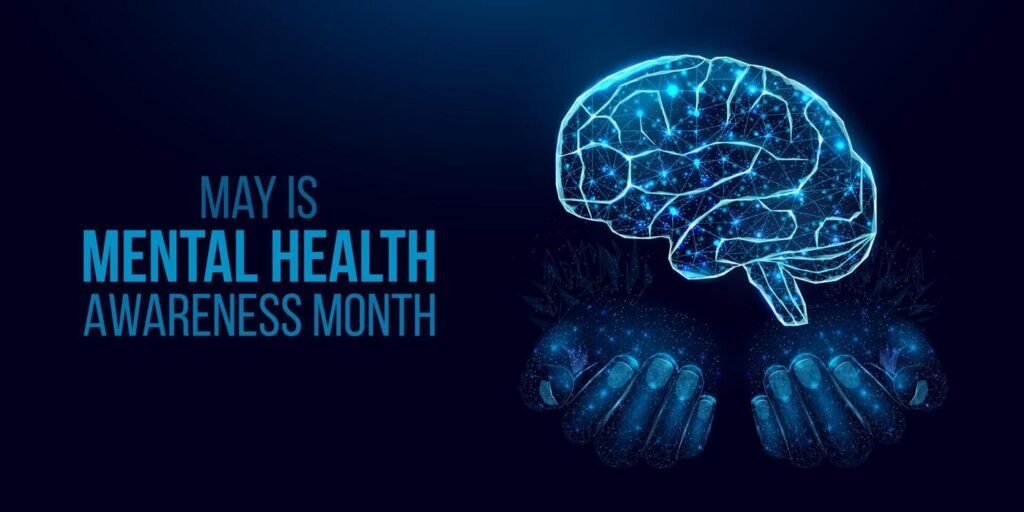
Raising awareness helps reduce stigma and encourages people to seek help before problems become severe.
Benefits include:
- Earlier diagnosis
- Better treatment outcomes
- Reduced suicide risk
- Improved relationships
- Better workplace productivity
- Healthier communities
- Increased emotional resilience
Common Mental Health Conditions
Several mental health disorders affect millions of people worldwide.
Anxiety Disorders
Symptoms include:
- Constant worry
- Panic attacks
- Rapid heartbeat
- Difficulty sleeping
- Trouble concentrating
Depression
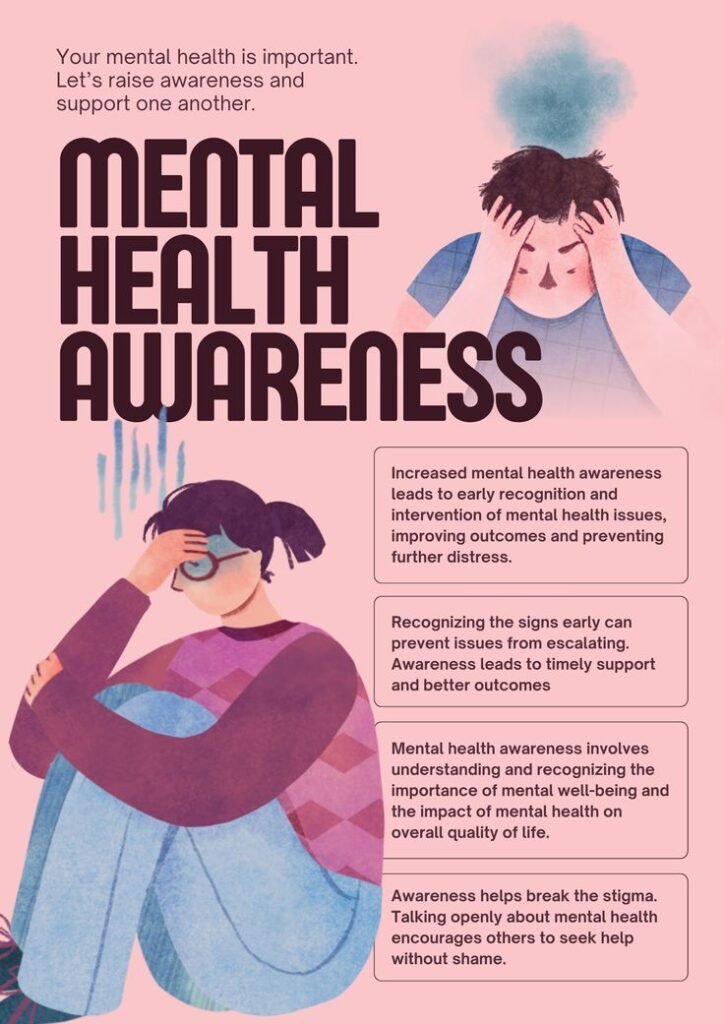
Common signs include:
Bipolar Disorder
This condition causes dramatic mood changes, including periods of high energy (mania) and depression.
Post-Traumatic Stress Disorder (PTSD)
PTSD may develop after experiencing or witnessing traumatic events.
Symptoms include:
- Flashbacks
- Nightmares
- Anxiety
- Emotional numbness
Obsessive-Compulsive Disorder (OCD)
People with OCD experience recurring unwanted thoughts and repetitive behaviors that interfere with daily life.
Common Causes of Mental Health Problems
Mental health conditions usually result from multiple factors, including:
- Family history
- Chronic stress
- Financial difficulties
- Trauma
- Relationship problems
- Physical illness
- Drug or alcohol misuse
- Poor sleep
- Social isolation
Warning Signs to Watch For
Early symptoms may include:
- Constant sadness
- Irritability
- Mood swings
- Withdrawal from family and friends
- Sleeping too much or too little
- Low energy
- Difficulty concentrating
- Feeling overwhelmed
- Loss of motivation
Recognizing these signs early can lead to faster treatment and recovery.
How Mental Health Affects Physical Health
Mental and physical health are closely connected.
Poor mental health may increase the risk of:
- Heart disease
- High blood pressure
- Diabetes
- Obesity
- Weakened immune system
- Chronic pain
Likewise, chronic physical illnesses can increase the likelihood of developing anxiety or depression.
Treatment Options
Most mental health conditions are treatable.
Common treatments include:
Therapy
Talking with a licensed psychologist or counselor can help people understand their emotions and develop healthy coping strategies.
Medication
Doctors may prescribe medications such as antidepressants or anti-anxiety medicines when appropriate.
Lifestyle Changes
Healthy daily habits often improve mental well-being.
These include:
- Regular exercise
- Healthy eating
- Adequate sleep
- Stress management
- Limiting alcohol
- Avoiding recreational drugs
Support Groups
Connecting with others who share similar experiences can reduce feelings of isolation and provide encouragement.
Tips for Maintaining Good Mental Health
Simple daily habits can make a significant difference.
- Exercise regularly
- Eat nutritious foods
- Stay socially connected
- Practice mindfulness
- Limit screen time
- Spend time outdoors
- Get 7–9 hours of sleep
- Set realistic goals
- Ask for help when needed
Mental Health in the Workplace
Employers in both the USA and Australia increasingly recognize the importance of employee well-being.
Healthy workplaces often provide:
- Flexible work arrangements
- Employee assistance programs
- Mental health training
- Stress management resources
- Supportive work environments
These initiatives improve productivity while reducing burnout.
When Should You Seek Professional Help?
Professional support is recommended if symptoms:
- Last more than two weeks
- Affect work or school performance
- Interfere with relationships
- Cause severe emotional distress
- Include thoughts of self-harm or suicide
Early treatment often leads to better long-term outcomes.
Final Thoughts
Mental Health Awareness is about recognizing that mental well-being is just as important as physical health. By learning the warning signs, practicing healthy habits, and seeking professional support when necessary, people in the USA, Australia, and around the world can improve their quality of life.
Talking openly about mental health helps reduce stigma and encourages more people to get the care they need. Every step toward better mental health—whether it’s speaking to a friend, visiting a healthcare professional, or adopting healthier daily habits—is a step toward a healthier and happier future.